Search engine optimization often gets dismissed as “slow” compared to paid ads, but that’s exactly what makes it valuable. While ad campaigns stop delivering traffic the moment you stop paying, SEO builds an asset that keeps generating visibility, traffic, and leads long after the initial work is done.
If you’re weighing whether SEO deserves a place in your marketing budget, here’s what it actually does for a business — and why the compounding effect makes it one of the highest-ROI channels available.
What SEO Actually Involves
SEO isn’t just “adding keywords” to a website. A proper SEO strategy covers several interconnected areas:
Technical SEO ensures search engines can crawl, index, and understand your website — covering site speed, mobile responsiveness, structured data, and site architecture.
On-page SEO optimizes individual pages — titles, meta descriptions, headings, internal linking, and content — around the terms your customers are actually searching for.
Content strategy builds topical authority by answering the questions your target audience has, at every stage of their buying journey.
Off-page SEO builds your site’s authority through backlinks, mentions, and digital PR from relevant, trustworthy sources.
Local SEO (for businesses serving specific areas) focuses on Google Business Profile optimization, citations, and location-based rankings.
Each of these pieces reinforces the others. A technically sound site with weak content won’t rank. Great content on a slow, poorly structured site won’t convert. SEO works as a system, not a single tactic.
Why SEO Outperforms Paid Ads Over Time
Paid advertising delivers immediate visibility, but that visibility disappears the moment your budget runs out. SEO works differently — rankings built through consistent optimization tend to persist, and traffic continues flowing without an ongoing cost per click.
This doesn’t mean SEO is free. It requires upfront investment in strategy, content, and technical work. But unlike ads, that investment compounds. A blog post that ranks well can keep generating traffic and leads for years with minimal maintenance — something no ad campaign can replicate.
The most effective long-term strategy usually combines both: paid ads for immediate lead flow, and SEO for sustainable, compounding growth.
Common SEO Mistakes That Hold Businesses Back
- Ignoring search intent — targeting keywords without understanding what searchers actually want to find
- Weak technical foundation — slow load times, poor mobile experience, or crawl errors that limit ranking potential
- Thin or duplicate content — pages that don’t provide enough value to outrank competitors
- Inconsistent publishing — treating SEO as a one-time project instead of an ongoing process
- Neglecting local signals — for location-based businesses, skipping Google Business Profile and citation management
Avoiding these mistakes matters more than chasing every new SEO trend. A strong technical foundation, relevant content, and consistent execution outperform shortcuts every time.
How to Measure SEO Success
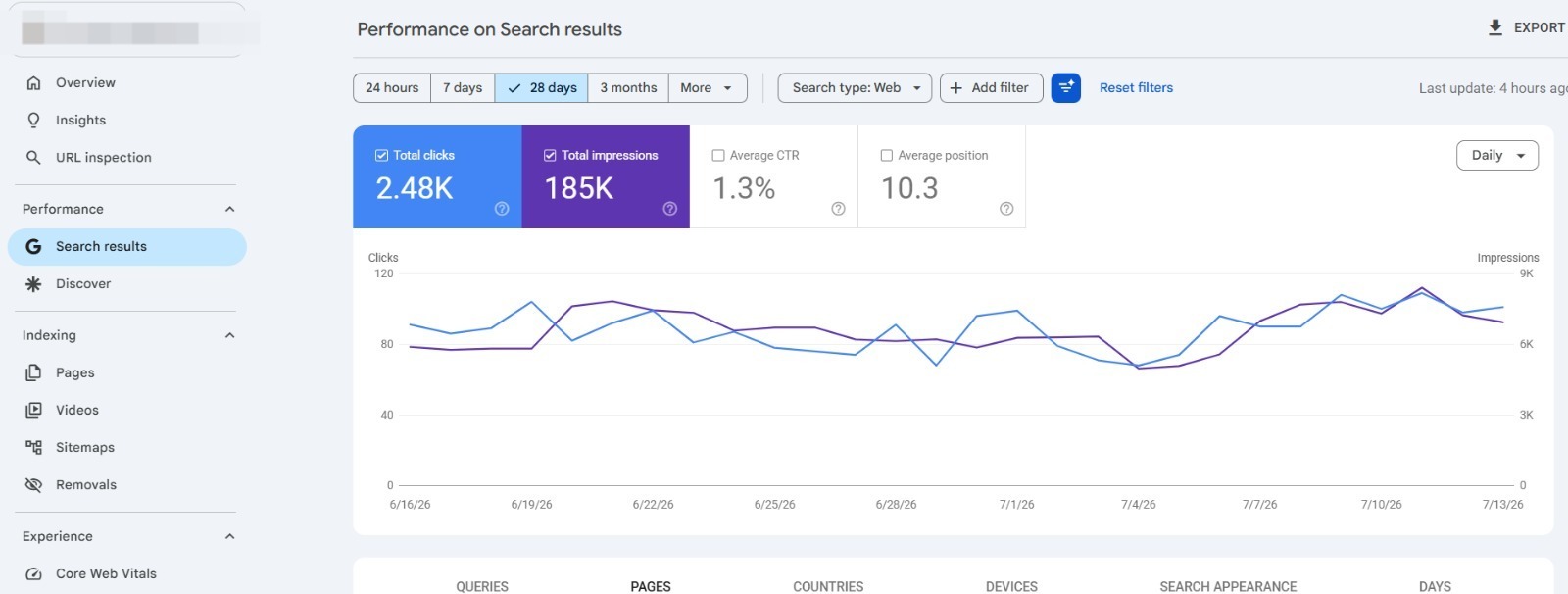
SEO results should be tracked against clear metrics, not vanity numbers:
- Organic traffic growth over time
- Keyword rankings for terms tied to actual business goals
- Conversion rate from organic traffic — leads, calls, or sales
- Domain authority and backlink growth
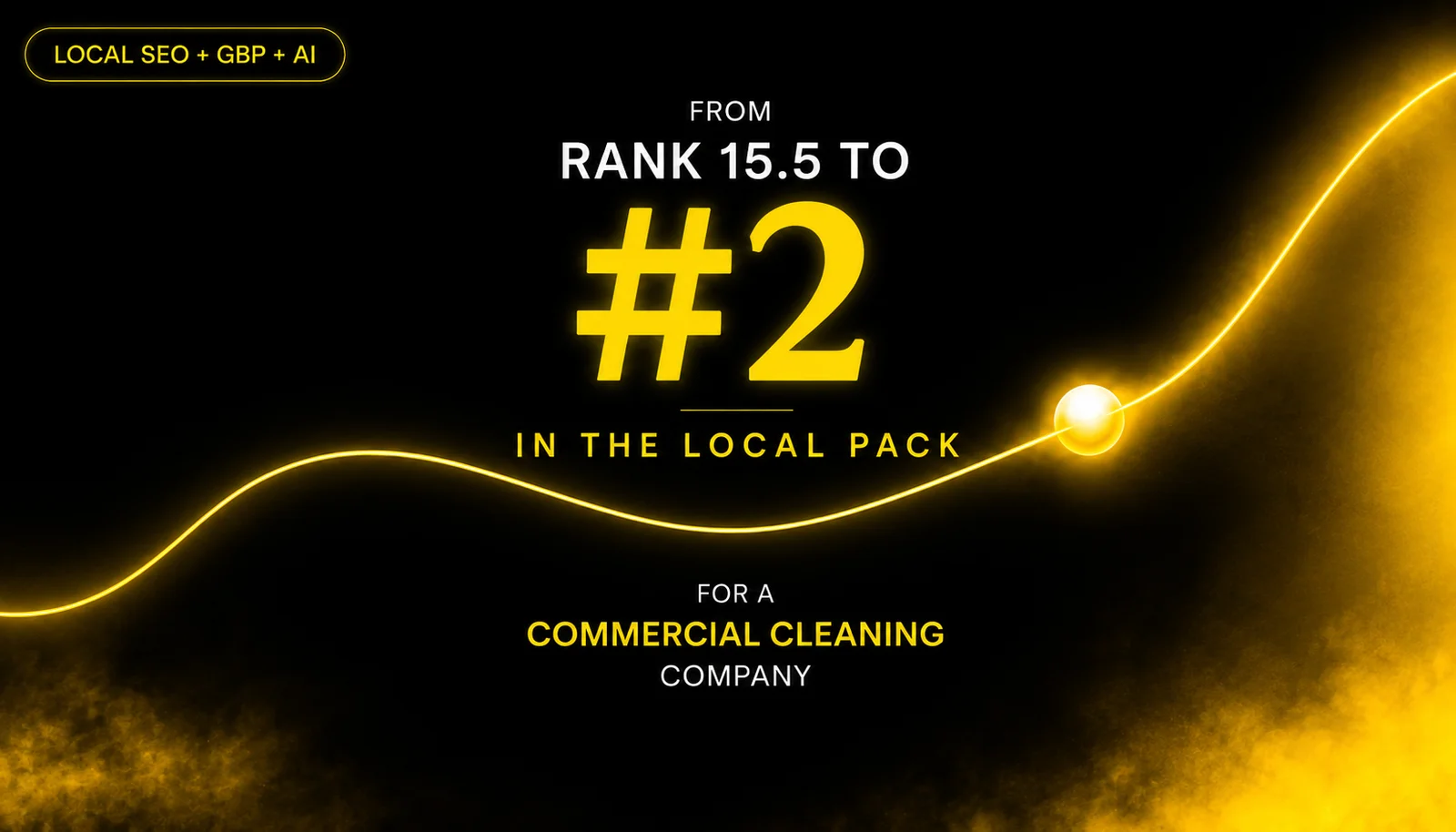
- Local visibility metrics — Local Pack rankings, Google Business Profile views, direction requests (for local businesses)
Rankings alone don’t pay the bills. The real measure of SEO success is whether organic traffic is converting into leads and revenue.
Getting Started
SEO isn’t a quick fix, but it’s one of the few marketing channels where the value increases over time instead of resetting with every new budget cycle. Businesses that treat it as a long-term strategy — rather than a short-term campaign — consistently outperform competitors who rely on paid traffic alone.
Whether you’re starting from scratch or trying to recover lost rankings, the fundamentals remain the same: build a technically sound website, create content that answers real search intent, and earn authority through consistent, quality work.